When workloads pile up in Year 11 and 12, sleep is often the first thing to go. Yet sleep is closely tied to concentration, mood, memory and health, all of which affect study. This guide explains how much sleep teenagers need, why it matters and habits that help.
This guide is general information written in our own words, based on the official sources listed at the end. ATAR rules, scaling, dates and course requirements differ between states and change from year to year, so always check with your admissions centre, institution and school. We don't predict ATARs, publish cut-offs or recommend particular schools, tutors or courses. It isn't medical advice; talk to a GP if you have ongoing sleep problems.
How much sleep?
healthdirect says teenagers need 8 to 10 hours of sleep a night. The Australian Government's 24-hour movement guidelines for children and young people also recommend 8 to 10 hours of uninterrupted sleep for 14 to 17-year-olds, with consistent bed and wake-up times.
Many students get much less, especially during busy periods.
Why sleep matters for study
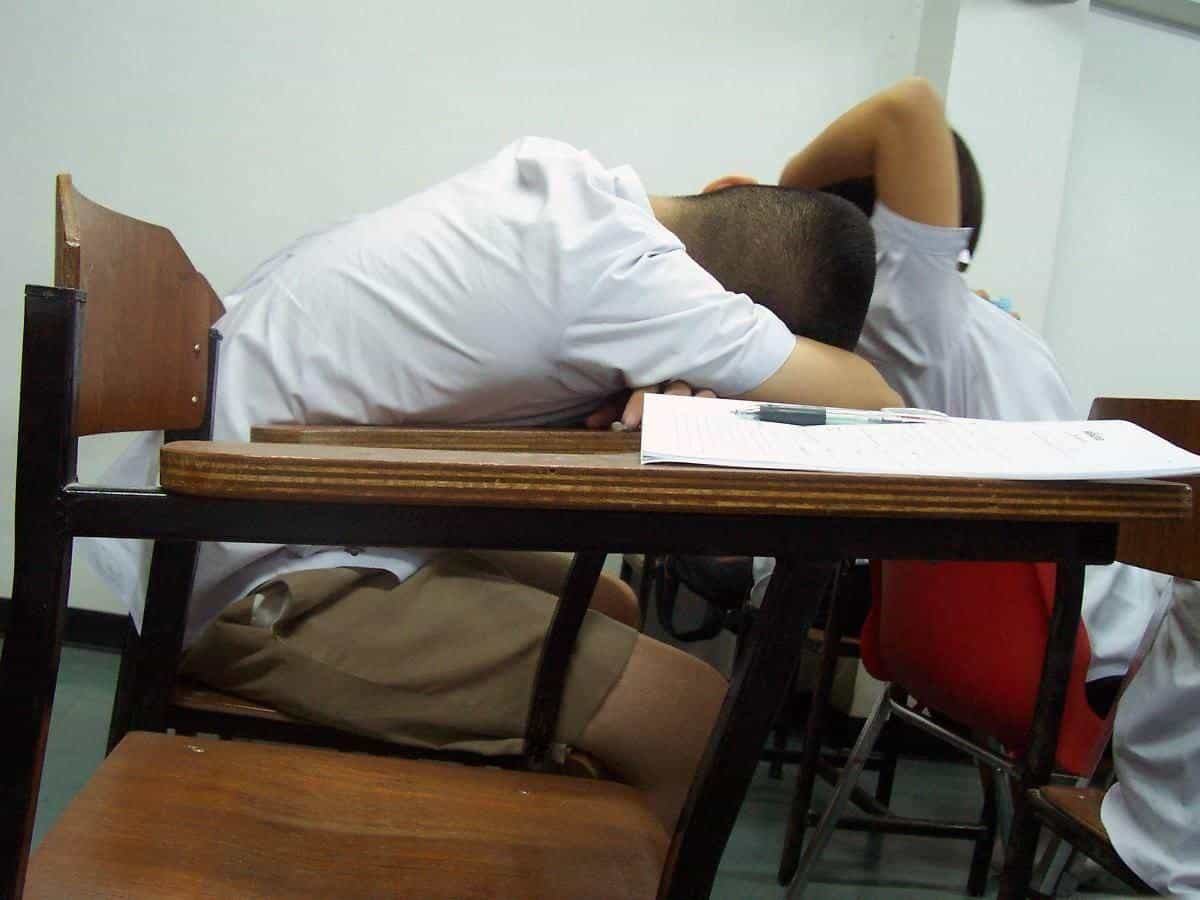
Sleep helps the brain process and consolidate what you've learned during the day. Without enough sleep, concentration, memory and problem-solving can suffer, and mood can drop. That means late-night study can be counterproductive if it costs too much sleep.
Teen body clocks
Many teenagers naturally feel sleepy later at night and want to sleep in. Early school starts can clash with this, which is one reason consistent routines matter.
Habits that help
- Keep regular times. Go to bed and get up at similar times every day, including weekends where possible.
- Wind down. Spend the last 30 to 60 minutes before bed doing something calm.
- Screens off. Bright screens and stimulating content can make it harder to fall asleep. Charge your phone outside the bedroom if you can.
- Watch caffeine. Avoid coffee, energy drinks and cola in the afternoon and evening.
- Make your room sleep-friendly. Dark, quiet and cool helps.
- Get daylight. Morning light helps set your body clock.
- Keep naps short. Long naps late in the day can make night-time sleep harder.
Study and bed
If possible, avoid studying in bed. Keeping your bed for sleep can help your brain associate it with rest.
Plan study around sleep
When you build your study timetable, block out sleep first, then fit study around it. If you're regularly studying past midnight, look for time elsewhere or reduce your plan.
All-nighters
ReachOut advises against cramming and all-nighters. Sleep the night before an exam helps you think clearly and recall what you've learned.
Movement
The 24-hour movement guidelines recommend at least 60 minutes of moderate to vigorous physical activity a day for young people, plus several hours of light activity. They also recommend limiting sitting for long periods and recreational screen time. Regular activity can help with sleep and stress. Short movement breaks between study sessions are easy to fit in.
Food and water
Regular meals and staying hydrated help maintain energy and concentration. Heavy meals right before bed can disturb sleep.
Screens and study
Phones are a major source of distraction. Try putting your phone in another room during study sessions, using focus settings or apps that limit social media, and checking messages only during breaks.
When sleep problems persist
Occasional bad nights are normal, especially before exams. But if you regularly struggle to fall asleep, wake often or feel exhausted despite sleeping, talk to your GP. Sleep problems can be linked to stress, anxiety and other health issues. See our exam stress guide.
For parents and carers
Parents can help by supporting regular routines, encouraging screen-free bedrooms at night, keeping evenings calm during exam periods and modelling good habits.
The bottom line
Sleep isn't a luxury in Year 12; it's part of studying well. Protecting your sleep, moving regularly and managing screens can help you learn more effectively and feel better.
A sample evening routine
One student might finish study by 9:30pm, spend half an hour on a calm activity such as reading or a shower, put their phone on charge in the kitchen and turn the lights out around 10:15pm, waking at a similar time each morning. Routines don't need to be perfect; consistency matters more than any single night.
Weekends and holidays
Sleeping in for hours on weekends can make Monday mornings harder. Try to keep wake-up times within an hour or so of your school-day routine. During holidays, a regular schedule helps keep your body clock steady for the return to school and exams.
Study breaks that recharge
Breaks work best when they actually rest your brain. A short walk, stretching, a snack or chatting with family often helps more than scrolling social media, which can drag on longer than planned and leave you feeling more tired.
Try the study planner
Our free study planner shows how many weeks you have until your first exam, splits your weekly revision hours between your subjects and suggests what to focus on in each phase. It also includes a simple selection rank adder for after results. It runs entirely in your browser, nothing you enter is sent anywhere, and it doesn't try to predict your ATAR.
Where our information comes from
Factual statements in our guides are based on official and expert sources, including the Universities Admissions Centre (UAC), the Victorian Tertiary Admissions Centre (VTAC), the Queensland Tertiary Admissions Centre (QTAC), the South Australian Tertiary Admissions Centre (SATAC), the Tertiary Institutions Service Centre (TISC), healthdirect, the Australian Government's movement guidelines and ReachOut. We link to each source at the end of the page and rewrite everything in our own words.
Rules change every year
ATAR rules, scaling, adjustment schemes, key dates and course requirements are reviewed regularly and can change from one year to the next. A rule that applied to an older sibling or a friend in another state may not apply to you. Treat our guides as a starting point, and confirm anything important with your admissions centre, your school and the institutions you're applying to.
Talk to your careers adviser
Your school's careers adviser is one of the most useful people you can talk to in Year 11 and 12. They know your state's system, current key dates, early offer schemes, access schemes and pathways, and can help you plan subjects and preferences. Book a time early, bring your questions and follow up after results.
For parents and carers
Parents and carers can help most by staying calm, keeping perspective and offering practical support: quiet study space, regular meals, encouragement to sleep and move, and help keeping track of key dates. Learning the basics of how the ATAR and selection ranks work makes it easier to support decisions without adding pressure.
Tell us what you think
We review our guides regularly against their sources. If you notice something out of date, have a question we haven't answered or spot an error, please let us know through our contact page. We read every message and correct mistakes promptly.
A quick checklist
If you remember only a few things from our guides, make them these: the ATAR is a rank, not a mark; choose subjects you enjoy and need for prerequisites; study actively and spread your revision; protect your sleep; check adjustment schemes and key dates; order preferences by what you really want; and remember there's more than one pathway to where you want to go.
Looking after yourself
Doing well in senior school isn't only about study hours. Sleep, movement, food, friends and downtime all affect how well you learn and how you feel. If stress or low mood is building, talk to someone you trust, your school counsellor or your GP. Kids Helpline (1800 55 1800) and Lifeline (13 11 14) are available 24/7, and in an emergency call 000.
Key points
- Teenagers need 8 to 10 hours of sleep a night.
- Sleep supports memory, concentration and mood.
- Regular times, screen-free wind-downs and less caffeine help.
- Aim for 60 minutes of activity a day and see a GP for ongoing sleep problems.
Frequently asked questions
How much sleep do teenagers need?
healthdirect says teenagers need 8 to 10 hours of sleep a night.
Are all-nighters worth it?
Usually not. Missing sleep can harm concentration and memory, and ReachOut advises against all-nighters.
Does screen time affect sleep?
Screens before bed can make it harder to wind down. Many people find a screen-free wind-down routine helps.
How much exercise should teenagers get?
National guidelines recommend at least 60 minutes of moderate to vigorous physical activity a day for young people.
Sources and further reading
Facts on this page were checked against these primary and official sources. Conditions change — confirm before you travel or buy.
- Sleep tips for children — healthdirect
- 24-hour movement guidelines for children and young people (5 to 17 years) — Australian Government Department of Health
- Advice on year 12 exams — ReachOut Australia
- How to deal with exam anxiety — ReachOut Australia