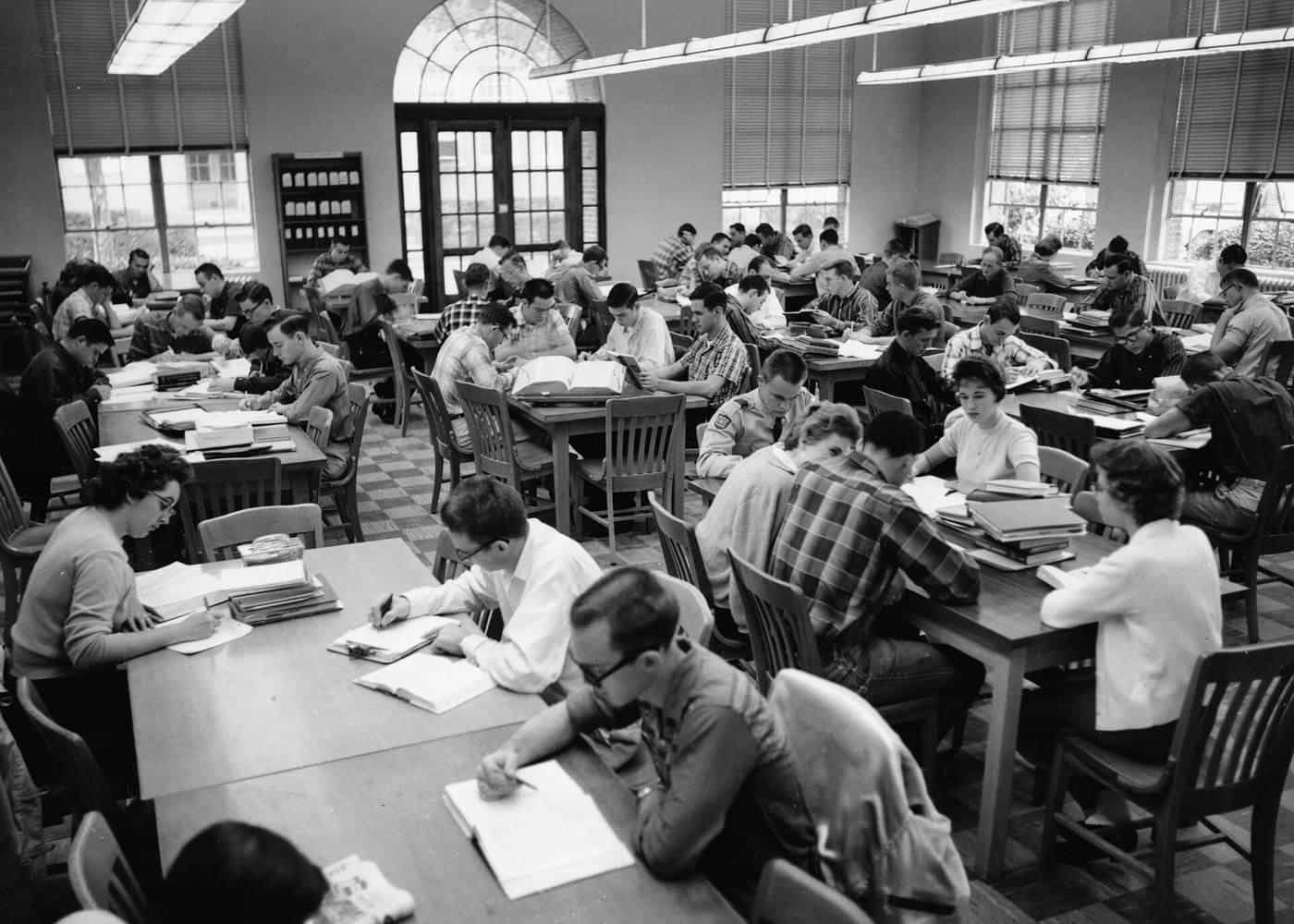
Your ATAR is built from your results, and your results are built from months of everyday study. These guides cover the practical side: planning your time, revising effectively, managing stress and looking after your sleep and health.
Guides in this section
- Building a study timetable A realistic weekly plan you'll actually follow.
- Exam preparation Active recall, past papers and what to do on the day.
- Managing exam stress Practical strategies and when to get support.
- Sleep and study habits How much sleep teenagers need and habits that help.
Plan realistically
A good timetable starts with your fixed commitments and sleep, then fits study around them. ReachOut recommends a realistic study schedule with regular breaks and time for things you enjoy, and avoiding cramming and all-nighters. Our study planner helps you split weekly hours between subjects.
Study actively
Active methods, such as answering practice questions, testing yourself with flashcards, explaining ideas aloud and doing past papers, are generally more effective than rereading notes. Spreading review over days and weeks helps you remember more than cramming. As exams approach, timed past papers help you practise under exam conditions.
Look after your health
healthdirect says teenagers need 8 to 10 hours of sleep a night, and the Australian Government's movement guidelines recommend at least 60 minutes of moderate to vigorous physical activity a day for young people. Sleep supports memory and concentration, and movement helps with stress.
Manage stress
Some stress is normal at exam time. Realistic plans, sleep, movement, calming breathing, limiting comparisons and staying connected all help. If stress is affecting your sleep, relationships or wellbeing, talk to a teacher, counsellor, GP or a service such as ReachOut. Kids Helpline (1800 55 1800) and Lifeline (13 11 14) are available 24/7, and in an emergency call 000.
Phases of the year
Early in the year, focus on keeping up with classwork and making notes as you go. Before assessments, shift time to subjects with tasks due. In the lead-up to exams, increase revision and timed practice. During exams, focus on the next paper, protect your sleep and keep sessions lighter.
Use your teachers
Teachers can explain difficult topics, give feedback on practice answers and suggest resources. Ask early and often. If you're struggling with workload or wellbeing, talk to your year adviser or school counsellor.
A simple plan for this week
Write down every assessment and exam date in one place. Block out sleep, school and fixed commitments. Choose a realistic number of revision hours, split them across your subjects and give each block a specific, active task. At the end of the week, review what worked and adjust. Small, steady improvements add up.
If illness or misadventure affects you
If serious illness or circumstances affect an assessment or exam, tell your school immediately. Each state has a process, and deadlines are strict.
Study myths to drop
More hours aren't always better: tired, distracted study often achieves little. Highlighting and rereading feel productive but are usually less effective than testing yourself. Studying all night before an exam tends to backfire. And taking breaks isn't slacking; regular rest helps you concentrate and remember. Swapping these habits for active, spaced and well-rested study is one of the simplest improvements you can make, and our guides explain how.
Five things worth knowing
- The ATAR is a rank, not a mark, running from 0.00 to 99.95 in steps of 0.05.
- Scaling aims to be neutral, so choose subjects you enjoy, are good at and need for prerequisites.
- Most courses select on a selection rank: your ATAR plus any adjustments you're eligible for.
- Lowest selection ranks aren't set in advance; they result from each year's selection.
- The ATAR is one pathway, and there are many routes into further study and careers.
About these guides
ATAR Calculator is an independent information site about the ATAR, study and university entry in Australia. We aren't a tertiary admissions centre, curriculum authority, school, university or tutoring company, and we don't predict ATARs, publish cut-offs or recommend particular schools, tutors or courses. Our guides are general information written in our own words, with official sources listed on every page. Rules and dates change each year, so always check with your admissions centre and school.
How we keep these guides current
We review each guide against its sources and show the date it was last checked. Admissions centres update rules, dates and schemes every year. If you notice something out of date, please tell us through our contact page, and we'll check and correct it.
Questions we hear often
Students often ask which subjects "scale best", whether bonus points raise the ATAR, and whether online calculators are accurate. In short: scaling is designed so your subject choices neither help nor hurt you; adjustment factors raise a selection rank, not the ATAR; and SATAC says there's no accurate way to predict an ATAR in advance. Our guides explain each answer in detail, with links to the official sources behind it, so you can check the facts for yourself and ask better questions of your school and admissions centre.
Try the study planner
Our free study planner splits your weekly revision hours between subjects, counts the weeks to your first exam and includes a simple selection rank adder. It runs entirely in your browser, and nothing you enter is sent anywhere.
Guides in this section

Study
Building a study timetable
How to build a realistic Year 11 and 12 study timetable: mapping commitments, splitting hours, spacing revision and building in rest.
Read · 6 min

Study
Exam preparation
Practical ways to prepare for Year 12 exams: active recall, past papers, timed practice, exam-day routines and what to do in the room.
Read · 6 min

Study
Managing exam stress
Practical strategies for managing Year 12 exam stress and anxiety: realistic plans, sleep, movement, breathing, perspective and when to get support.
Read · 6 min

Study
Sleep and study habits
How sleep, screens, movement and daily routines affect study in Year 11 and 12, with official guidance on how much sleep teenagers need.
Read · 6 min
Frequently asked questions
How much should I study?
Enough to cover your subjects well while protecting sleep, movement and rest. A realistic, consistent plan beats an ambitious one you abandon.
What's the best way to revise?
Active methods such as practice questions, past papers and self-testing, spread over time.
How much sleep do I need?
healthdirect says teenagers need 8 to 10 hours a night.
Where can I get support for stress?
Your school counsellor, GP, ReachOut, Kids Helpline (1800 55 1800) or Lifeline (13 11 14).
Sources and further reading
Facts on this page were checked against these primary and official sources. Conditions change — confirm before you travel or buy.
- Advice on year 12 exams — ReachOut Australia
- How to deal with exam anxiety — ReachOut Australia
- Sleep tips for children — healthdirect
- 24-hour movement guidelines for children and young people (5 to 17 years) — Australian Government Department of Health